Introduction: patience as a Montessori cornerstone
Patience is not just a personal virtue but a professional necessity in Montessori education. The Montessori teacher, unlike in traditional classrooms, must refrain from rushing, interrupting, or directing unnecessarily. Instead, she must observe carefully and allow children the time to repeat, explore, and make mistakes. This post explores how patience shapes Montessori teaching and why it is indispensable in cultivating independence and concentration in children.
Patience in the prepared environment
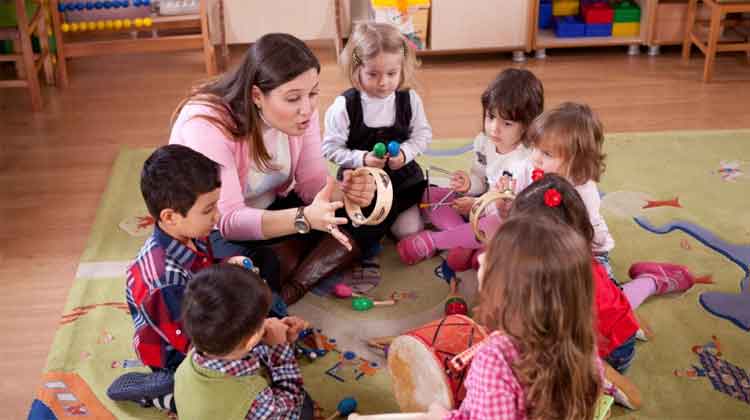
The prepared environment functions only when teachers give children the time to adapt and engage. A patient teacher resists the urge to tidy prematurely, correct instantly, or demand conformity. Instead, she waits—sometimes in silence—so that the child can complete a cycle of activity. This patience allows normalization to occur, as children settle into self-chosen work and internal discipline emerges.
Observation and restraint
Montessori teachers must develop the art of waiting. Observation requires watching without interference, even when mistakes occur. For example, if a child is struggling to pour water, the patient teacher notes the challenge but does not rush to “help.” Later, she may re-present the lesson, but in the moment she trusts the child’s process. Essential readings emphasize that patience is the foundation of true observation.
Long-term outcomes of patient practice
Patience leads to deep concentration, independence, and resilience. Classrooms where teachers practice patience tend to exhibit calmer atmospheres and children who persist longer with challenging tasks. In the long run, patience cultivates self-motivated learners who do not depend on constant adult approval.
Conclusion
Patience is not passive but active self-discipline. For Montessori teachers, it is the condition that allows freedom, choice, and discovery to flourish. Training programs must therefore nurture patience as much as technical skill, for without it, the Montessori method cannot succeed.