
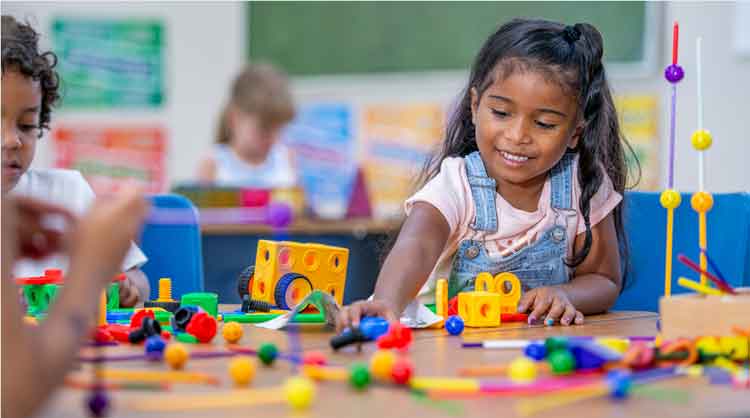
In an age defined by rapid technological change and an overwhelming influx of information, the foundational principles of the Montessori method remain more relevant and vital than ever before. While many educational systems struggle to keep pace with the demands of a changing world, Montessori’s focus on cultivating independence, critical thinking, and a love for learning provides children with the timeless skills they need to thrive. The method’s core belief is that education should not be a rigid, top-down process, but a journey of self-discovery guided by the child’s natural curiosity. This approach addresses the profound need for a pedagogy that prepares children not just for tests, but for life itself.
The Montessori method addresses a key need of modern education: the development of intrinsic motivation. In a traditional classroom, a child’s learning is often driven by external rewards and punishments, such as grades, praise, or the fear of failure. This can stifle a child’s natural curiosity and turn learning into a chore. In contrast, the Montessori environment is designed to foster a deep, internal desire to learn. The materials are carefully crafted to be engaging and satisfying, leading the child into a state of deep concentration, which Dr. Montessori called “normalization.” This sense of accomplishment from mastering a task for its own sake is profoundly rewarding and builds a powerful internal compass that will guide their future learning. This is not just about teaching a child; it is about empowering them to be self-starters and lifelong learners.
Furthermore, the Montessori classroom’s emphasis on mixed-age groups is a powerful solution to a common educational challenge. In a traditional setting, children are grouped by age, often leading to a competitive environment where a child’s progress is constantly compared to that of their peers. In a Montessori environment, children from three to six years old work together in the same classroom. This fosters a natural mentorship dynamic, where older children reinforce their knowledge by teaching younger ones, and younger children are inspired by the capabilities of their older peers. This collaborative setting, coupled with the freedom of choice and movement, nurtures social skills, empathy, and a sense of community. The classroom becomes a small society where children learn to respect one another’s work and to help each other grow. This social and emotional development is a crucial need in today’s world, where teamwork and interpersonal skills are highly valued. Ultimately, the Montessori method provides a holistic education that addresses the intellectual, emotional, and social needs of the child, preparing them for a future that will demand more than just academic knowledge.