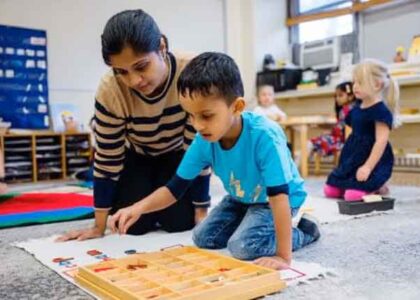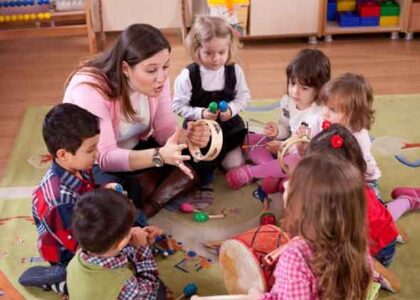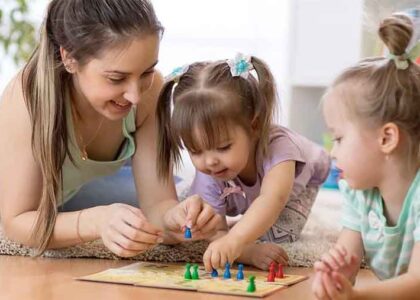

In traditional education, the teacher is often seen as the central figure, the source of all knowledge, and the director of all activity. In the Montessori method, however, the role of the educator is dramatically different. The central element is not the teacher, but the “prepared environment.” Dr. Montessori called the teacher the “directress” or “guide” because her role is not to teach in the traditional sense, but to create and maintain a space where the child can teach themselves. This prepared environment is not just a classroom with neat shelves and beautiful materials; it is a meticulously designed space that is both a physical and psychological haven for the child’s development. Every element, from the furniture to the lighting, the layout of the materials to the very atmosphere of the room, is carefully curated to meet the needs of the child at their specific stage of development. The environment is designed to be a catalyst for learning, a place where a child’s natural curiosity and innate drive for purposeful activity are fully unleashed. The prepared environment is a silent teacher, a constant source of inspiration and guidance, providing the child with a sense of order, beauty, and safety that is essential for their self-construction. It is the single most powerful tool a Montessori educator has at their disposal.
The prepared environment is built on several key principles. The first is freedom within limits. Children are given the freedom to choose their own work, to move about the classroom, and to work at their own pace. However, this freedom is not absolute; it is balanced by clear and consistent expectations. For example, a child is free to choose any work from the shelves, but they must return it to its proper place when they are finished. This teaches respect for the materials and for the community. The second principle is order. The environment is orderly and logical, with materials arranged on shelves from left to right, and from simple to complex. This order helps the child to feel secure and to navigate the space independently. It also lays the foundation for a logical and organized mind. The third principle is beauty. The materials are beautiful and inviting, often made from natural materials like wood and glass. They are not just toys, but tools for development, and their beauty invites the child to engage with them. A beautiful environment communicates a profound respect for the child and their work. Finally, the environment is designed to meet the child’s sensitive periods—those windows of opportunity when a child is particularly receptive to learning a specific skill. The materials are placed in the environment at just the right time to meet the child’s evolving needs. For example, a young child in the “sensitive period for small objects” will be drawn to the pink tower and the knobbed cylinders, which are designed to refine their fine motor skills and their sense of discrimination. The prepared environment is a dynamic and responsive space, constantly evolving to meet the needs of the children within it. It is a living curriculum, and the educator is its steward, always observing and adjusting to ensure that it is as effective as possible.
The Role of the Guide in the Prepared Environment
While the prepared environment is the centerpiece of the Montessori method, the guide’s role is absolutely crucial. The guide is the link between the child and the environment. They are not a lecturer or a dictator, but a quiet facilitator and a keen observer. The guide’s primary task is to observe the children in the environment, to notice their interests, their struggles, and their triumphs. This observation is a non-judgmental and scientific process. It is the guide’s way of understanding the child’s needs and determining what new materials to present, or what interventions might be necessary. The guide presents materials to the child one-on-one, in a clear and concise lesson. The presentation is simple and to the point, showing the child exactly what to do and how to do it. After the presentation, the guide steps back and allows the child to work independently. The guide’s presence in the classroom is calm and reassuring, but they do not interfere with the child’s work. This non-interference is a profound act of trust in the child’s innate drive for self-development. It is a way of saying, “I trust you to do this. I am here if you need me, but I believe in your ability to succeed on your own.” This trust is the most powerful gift a guide can give to a child. The guide also serves as a model of grace and courtesy, demonstrating respectful and kind behavior in all their interactions. Their every action communicates a deep reverence for the child and a belief in their potential. The guide is a silent partner in the child’s journey of self-construction, always present but never in the way.
How the Prepared Environment Cultivates a Love of Learning
Ultimately, the prepared environment works because it meets the child where they are and provides them with the tools they need to grow. By providing a beautiful, orderly, and purposeful space, the prepared environment cultivates a deep and lasting love of learning. When a child is free to follow their interests, learning ceases to be a chore and becomes a joyous exploration. They are not learning to please an adult, but to satisfy their own inner drive. The materials themselves are designed to be engaging and to lead the child from one concept to the next in a logical progression. The “control of error” in the materials allows the child to learn from their mistakes without shame or embarrassment, which fosters resilience and a sense of ownership over their learning. The prepared environment is a place where a child is not judged by their mistakes but is celebrated for their effort and their curiosity. The silence and calm of the environment, punctuated by the quiet sounds of children working purposefully, create an atmosphere of concentration and focus that is rare in the modern world. It is in this atmosphere that the child’s true personality unfolds, and they develop a profound sense of self-discipline and self-worth. The prepared environment is not just a place where children learn to read and write; it is a place where they learn to be human. It is a testament to the power of a system that trusts in the child’s innate potential and provides the support necessary for that potential to unfold. The prepared environment is the heart of the Montessori method, and its power lies in its ability to transform a simple classroom into a powerful catalyst for a child’s holistic development, shaping not just their mind, but their character and their spirit.