The Purposeful Design of Montessori Materials
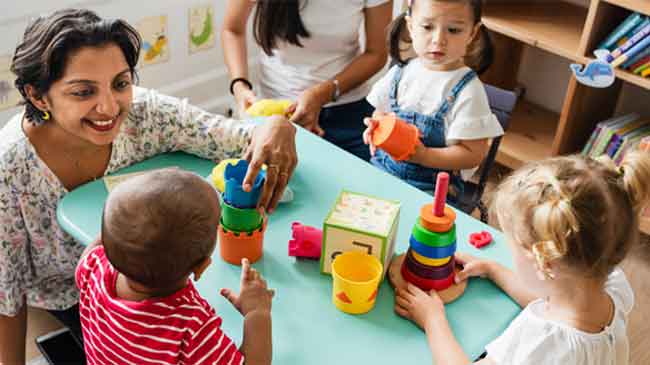
The materials found in a Montessori classroom are not simply toys or educational tools; they are meticulously designed instruments of development, created by Maria Montessori herself based on her scientific observations of children. Each piece of material has a specific purpose and is crafted to isolate a single concept. For example, the Pink Tower, a set of ten wooden cubes of varying sizes, is specifically designed to teach the concept of size and visual discrimination. It’s not a toy for building castles; it’s a tool for understanding mathematical and spatial relationships. This purposeful design is a core principle of the Montessori philosophy. The materials are also self-correcting, which is a key innovation. This means that a child can immediately see if they have made a mistake without the need for adult intervention. The Cylinder Blocks, for instance, are designed so that each cylinder fits only into its corresponding hole. If a child puts a cylinder in the wrong place, they will find that another cylinder will not fit, allowing them to independently recognize and correct their error. This fosters independence, critical thinking, and a sense of accomplishment that comes from solving a problem on their own. The materials are also aesthetically pleasing, made from natural materials like wood and presented on low, accessible shelves, inviting the child to engage with them. This thoughtful design is what makes Montessori materials so effective and unique.
The Progression and Interconnection of the Materials
One of the most remarkable aspects of the Montessori materials is their carefully planned progression. They are presented in a specific sequence, moving from the concrete to the abstract, and from simple to complex. A child’s journey with the materials begins with the Sensorial materials, which are designed to refine their senses and prepare them for more advanced concepts. The Red Rods, for example, teach the concept of length, which is a foundation for understanding measurement. This learning then progresses to the mathematical materials, which use beads, rods, and other physical objects to teach abstract concepts like addition, subtraction, multiplication, and division. The Golden Beads, for instance, are a powerful tool for teaching place value, with a single bead representing a unit, a ten-bar representing a ten, and so on. This concrete experience with numbers lays a strong foundation for a child’s later work with abstract math. The materials also interconnect across different subject areas. The skills learned with the Practical Life materials—such as pouring or buttoning—develop fine motor skills and concentration, which are essential for success with the more intricate language and math materials. This interconnectedness ensures that a child’s learning is a holistic and seamless process, with each new skill building upon the last in a natural and logical way. The teacher’s role is to present the material at the right moment, when the child is ready for it, and then to step back and let the child explore and learn independently.
The Prepared Environment: A Key to Effective Use
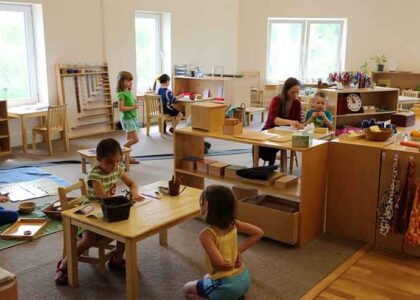
The Montessori materials do not exist in a vacuum; they are an integral part of the “prepared environment.” This is a carefully curated classroom designed to meet the physical, intellectual, and psychological needs of the child. The environment is orderly, with each material having its own designated spot on the shelf. This organization not only makes it easy for the child to find and return materials, but it also instills a sense of order and routine that is calming and predictable. The materials are also arranged in a specific sequence, mirroring their progressive difficulty, so a child naturally moves from one skill to the next. The environment is also aesthetically pleasing, with natural light, plants, and beautiful, child-sized furniture. This creates a space that is not just a school, but a home-like environment where children feel comfortable and respected. The prepared environment is a silent teacher, guiding the child to engage with the materials and explore their own interests. The teacher’s role is to be a “guardian of the environment,” ensuring it remains a place of order and tranquility. The success of the Montessori materials is inextricably linked to the success of the prepared environment. It is the context that gives the materials their power, allowing the child to work at their own pace and follow their own interests without interruption or pressure.
The Role of the Teacher in Presenting the Materials
While the materials are designed for independent use, the role of the teacher, or “directress,” is crucial. The teacher is the link between the child and the prepared environment. Their primary job is not to lecture, but to give precise, silent presentations of the materials. When introducing a new material, the teacher demonstrates its proper use slowly and deliberately, often with minimal words, allowing the child to focus on the movements and the process. This method of presentation is a key component of the Montessori method and a skill that is heavily practiced during Montessori teacher training. After the presentation, the teacher steps back and allows the child to work with the material on their own. The teacher then becomes a silent observer, watching how the child interacts with the material, noting their level of concentration and their progress. This observation is what allows the teacher to know when to present the next material, when to offer a different challenge, and when to simply allow the child to work without interruption. The teacher’s ability to “follow the child” and to be a quiet guide rather than a loud director is what makes the Montessori classroom so different from a traditional school. The materials are the centerpiece, but the teacher’s skillful presentation and respectful observation are what truly unlock their potential for the child’s development.
Beyond the Classroom: The Lasting Impact of Montessori Materials
The skills and concepts learned through the Montessori materials have a lasting impact that extends far beyond the classroom. The materials not only teach specific academic concepts but also cultivate a set of life-long skills. The use of Practical Life materials fosters independence, concentration, and a sense of order. The sensorial materials train a child to be a keen observer of their world, to notice details and differences. The self-correcting nature of the materials instills a sense of confidence and an understanding that mistakes are a natural part of the learning process. The materials also encourage a deep, intrinsic motivation for learning. When a child works with a material that meets their inner need, the satisfaction comes from the work itself, not from external praise or a grade. This intrinsic motivation is a key predictor of a person’s success and happiness in life. The skills of problem-solving, critical thinking, and independence that are cultivated through the materials are the very skills that are in high demand in the 21st-century workforce. In a world of increasing complexity, the ability to think for oneself, to persevere through challenges, and to find joy in learning is more valuable than ever. The Montessori materials are not just a curriculum; they are a profound investment in a child’s future, helping them become capable, curious, and confident individuals who are prepared to face the world.