
Introduction: EI as a foundation for excellence
Emotional intelligence (EI) is increasingly recognized as a key factor in teaching quality. Montessori classrooms demand sensitivity, observation, and adaptive responses. Teachers with high EI can interpret subtle cues, manage challenging situations gracefully, and maintain a supportive environment. This article explores how EI boosts teaching quality and classroom effectiveness.
Observation and responsive teaching
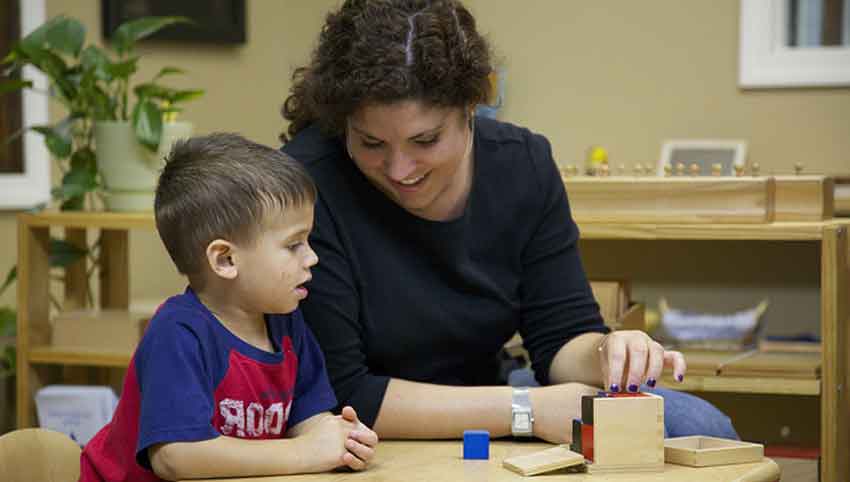
EI allows teachers to notice subtle signals: a child’s hesitation, frustration, or excitement. By observing and interpreting these cues accurately, teachers can tailor lessons, provide timely support, and encourage independence. Responsive teaching fosters engagement, reduces frustration, and improves learning outcomes.
Creating emotionally safe environments
Students thrive when they feel safe and understood. Teachers with strong EI model calm, respectful behavior, setting the tone for the classroom. Emotional safety promotes risk-taking, curiosity, and resilience. Children feel comfortable exploring materials, making mistakes, and persisting, which directly enhances the quality of learning.
Effective communication with children
EI equips teachers to communicate clearly and empathetically. Using descriptive, neutral language rather than judgmental phrases helps children process emotions constructively. For example, instead of “Stop making mistakes,” a teacher may say, “Let’s try that step together.” This approach encourages learning without fear, improving classroom dynamics.
Managing stress and conflict
Montessori classrooms can present complex social and emotional challenges. Teachers with EI can regulate their own emotions and guide children through conflicts calmly. They model problem-solving strategies, negotiate solutions, and prevent escalation, ensuring continuity in learning and maintaining classroom harmony.
Collaboration with colleagues and families
High EI supports productive collaboration with colleagues and effective communication with families. Teachers can share observations, discuss strategies, and co-create learning plans with empathy and understanding. Families feel supported, and the school community aligns with the Montessori philosophy, enhancing the teaching environment.
Reflective practice and continuous improvement
EI encourages self-reflection. Teachers can assess which strategies work, where emotional reactions may interfere, and how to improve interactions. Reflective practice deepens understanding of both child behavior and personal teaching effectiveness, leading to continuous professional growth.
Conclusion
By developing emotional intelligence, Montessori teachers elevate teaching quality. Through observation, communication, emotional regulation, and reflective practice, they create classrooms that support learning, independence, and holistic development. EI is therefore a cornerstone of professional excellence in Montessori education.