
Introduction: the role of emotional intelligence in Montessori classrooms
Emotional intelligence (EI) is a critical skill for Montessori teachers, influencing classroom atmosphere, child development, and teacher-child relationships. Developing EI enables teachers to respond empathetically, manage stress, and foster social-emotional learning in children. This post explores strategies and practices that help teachers enhance emotional intelligence while maintaining a calm, prepared environment.
Self-awareness and reflection
Self-awareness is the cornerstone of emotional intelligence. Teachers must recognize their own emotions, triggers, and stress responses. Reflective practices—journaling, mindfulness exercises, and peer discussions—allow teachers to understand how their emotional state impacts classroom interactions. By cultivating self-awareness, Montessori teachers can respond thoughtfully rather than react impulsively.
Empathy in Montessori teaching
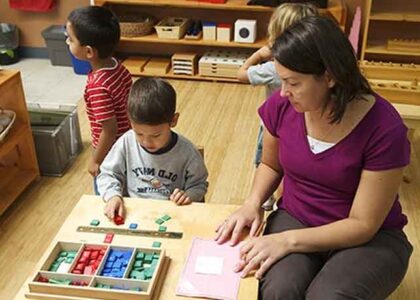
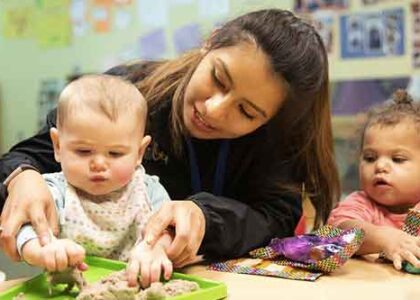
Empathy enables teachers to perceive and understand the feelings of each child. Observing children during work cycles, listening actively, and validating emotional expressions builds trust. For example, when a child struggles with a task, empathetic teachers offer supportive guidance without frustration or judgment. Essential readings on emotional intelligence emphasize that empathy improves communication, cooperation, and conflict resolution.
Emotion regulation strategies
Teachers must manage their own emotions effectively to model calm behavior. Techniques such as deep breathing, structured breaks, and cognitive reframing allow teachers to maintain patience and composure. Emotion regulation supports consistent routines and prevents stress from affecting instructional quality. When adults remain steady, children feel safe and supported, reinforcing concentration and engagement.
Social skills and relationship building
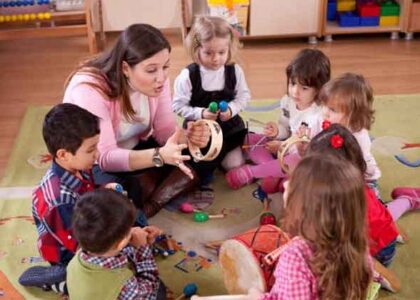
Strong interpersonal skills enable teachers to collaborate with colleagues, communicate with families, and guide children in social learning. Montessori classrooms require adult modeling of cooperative behavior, conflict resolution, and respectful communication. Training in social-emotional skills helps teachers navigate challenging interactions and maintain positive relationships in multi-age settings.
Reflective practice and continuous learning
Developing emotional intelligence is ongoing. Teachers benefit from reflective cycles: observe, analyze, plan, and adjust. Journaling classroom interactions, attending workshops, and discussing scenarios with mentors strengthen EI. Montessori teacher training often includes observation exercises precisely to cultivate these reflective capacities.
Conclusion
Enhancing emotional intelligence is vital for effective Montessori teaching. Through self-awareness, empathy, emotion regulation, social skills, and reflective practice, teachers create classrooms that support both their own well-being and the children’s growth. EI becomes a foundation for patient, responsive, and inspiring teaching.