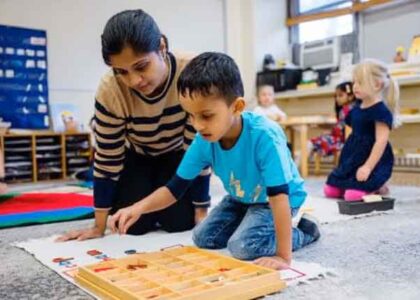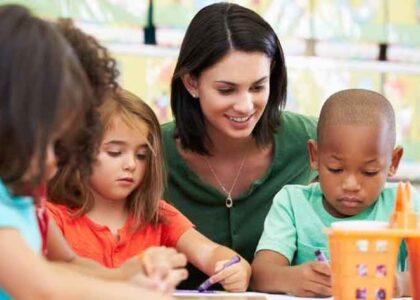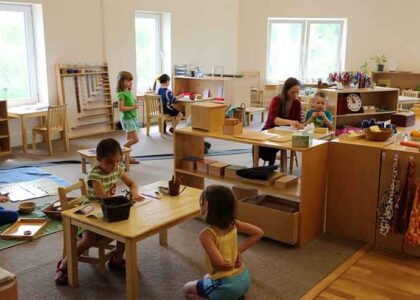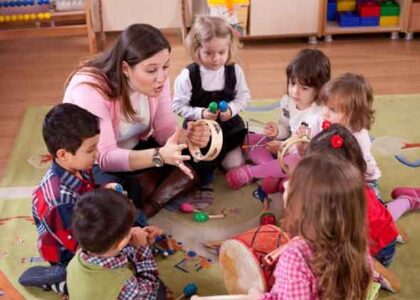
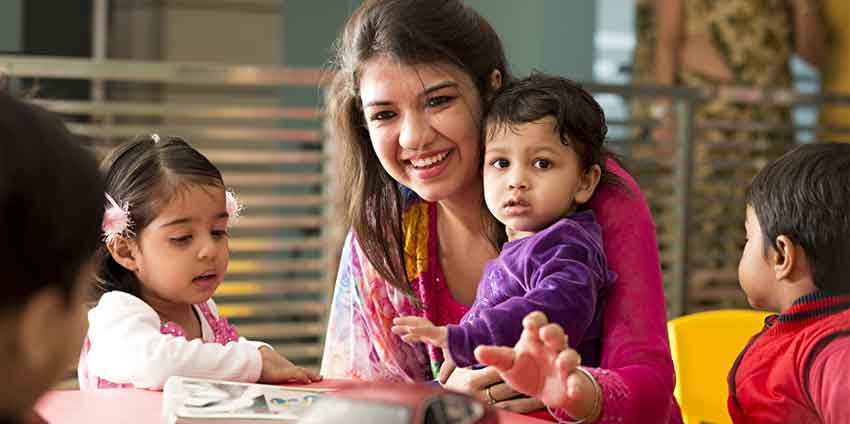
The prepared environment is arguably the most fundamental and unique aspect of Montessori education. It is not a classroom in the conventional sense, but a dynamic, living space designed to meet the physical, cognitive, social, and emotional needs of the child. This environment is an extension of the teacher’s care and foresight, created to be a safe, ordered, and beautiful space that invites a child to engage with purposeful work. It is based on the principle that if we provide children with the right tools in a stimulating and accessible environment, they will naturally be drawn to work that aids their development. The environment’s success lies in its subtlety; it provides structure without rigid rules and offers freedom within carefully defined boundaries.
One of the most striking features of a prepared environment is the emphasis on order. Materials are placed on low, open shelves in a specific sequence, and each has a designated place. This order caters to a child’s innate need for predictability and routine, especially during the sensitive period for order (approximately ages 1 to 3). When a child knows where to find a material and where to return it, they feel secure and in control of their surroundings. This sense of control is foundational to developing independence and a love for work. The prepared environment also fosters independence by being entirely child-sized. From the miniature tables and chairs to the child-friendly pitchers and brooms, everything is scaled to the child’s physical abilities. This sends a powerful message: “You are capable, and this is your world to navigate.” This stands in stark contrast to adult-sized spaces where a child is constantly dependent on an adult for assistance, which can be disempowering.
The prepared environment also facilitates the development of a child’s social skills. In a Montessori classroom, children of mixed ages—typically a three-year age span—work together. The older children naturally become mentors and role models, reinforcing their own knowledge by teaching younger children. The younger children, in turn, are inspired and motivated by the capabilities of their older peers. This social dynamic, supported by the freedom of movement and choice, encourages collaboration and empathy. A child who has mastered an activity is often eager to show it to a younger child, and a younger child naturally seeks guidance from their peers. This peer-to-peer learning is a powerful tool that builds a strong sense of community and mutual respect. The environment also provides opportunities for children to learn social graces and respect for others, such as waiting for a material to become available or moving carefully around others who are working. The teacher’s role is to act as a quiet facilitator, observing these interactions and intervening only when necessary to ensure the harmonious functioning of the community. In essence, the prepared environment is a microcosm of a healthy society, a place where children can learn to be independent, responsible, and empathetic members of a community.