Introduction: EI as a driver of harmony
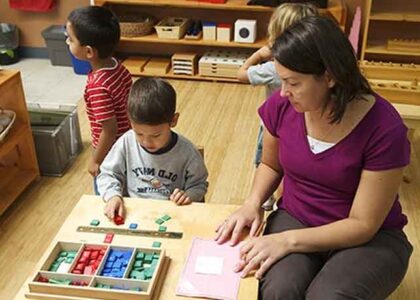
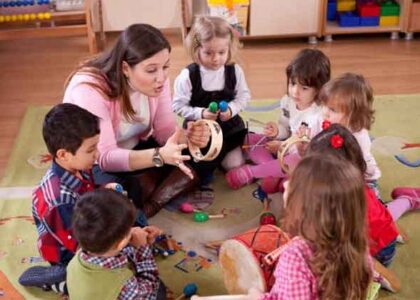
Emotional intelligence (EI) allows Montessori teachers to create classrooms that are harmonious, supportive, and conducive to learning. By recognizing and regulating emotions, teachers can prevent conflicts, enhance cooperation, and maintain a positive learning environment. This article explores practical ways EI contributes to classroom harmony.
Understanding children’s emotional needs
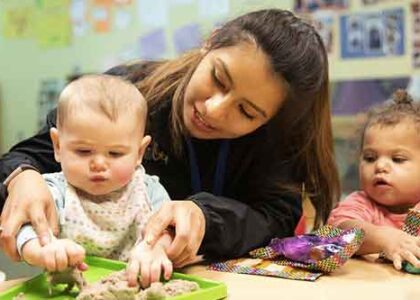
EI equips teachers to notice when a child feels frustrated, anxious, or excited. By addressing these emotions appropriately, teachers prevent disruptions and guide children toward constructive solutions. Recognizing subtle cues ensures that interventions are timely and empathetic.
Modeling emotional regulation
Teachers who demonstrate calm, measured responses influence children to manage their own emotions. Modeling patience, empathy, and respect teaches children how to interact positively. This leads to fewer conflicts and smoother work cycles in Montessori classrooms.
Conflict resolution strategies
EI enables teachers to handle disputes between children effectively. By facilitating communication, acknowledging feelings, and guiding problem-solving, teachers turn conflicts into learning opportunities. These strategies strengthen social skills and enhance mutual respect among students.
Creating a positive classroom climate
EI fosters trust, collaboration, and emotional safety. Teachers who understand their own emotions and those of their students create routines and practices that promote engagement, curiosity, and focus. A positive climate encourages children to take initiative and develop independence.
Continuous self-reflection
Maintaining harmony requires teachers to reflect on their own responses and adapt strategies. Journaling, peer feedback, and professional development support ongoing growth in EI. Self-reflection ensures that the classroom remains a space where both teachers and children thrive.
Conclusion
Emotional intelligence is essential for creating harmonious Montessori classrooms. Teachers who develop empathy, emotional regulation, and social skills contribute to an environment where children feel safe, respected, and motivated. By prioritizing EI, educators enhance learning outcomes and foster holistic child development.