Introduction: patience as the cornerstone of effective lessons
In Montessori education, patience is a core component of instructional success. Lessons unfold over time, and children engage with materials at their own pace. Teachers who cultivate patience are able to observe carefully, introduce concepts at the right moment, and intervene judiciously. This article explores how patience enhances Montessori lessons, supporting both child development and teacher effectiveness.
Observation-led teaching
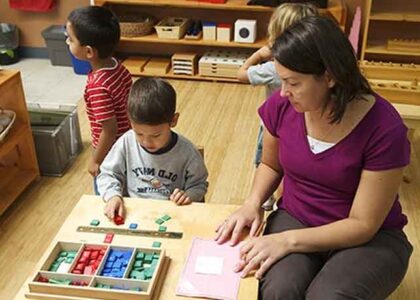
Patience allows the teacher to observe and respond rather than react. By waiting to see how a child interacts with a material, the teacher gathers information on the child’s readiness, interests, and learning style. Observation without haste leads to accurate lesson presentations and prevents unnecessary repetition or frustration.
Customized pacing for individual learners
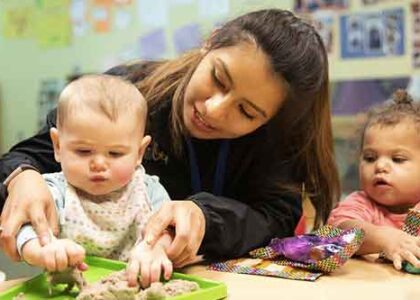
Every child’s learning curve differs. A patient teacher accommodates these differences, adjusting the pace of instruction to match each learner. Some children may take longer to master a sensorial material, while others are ready for abstraction. Patience ensures that no child is rushed or left behind, reinforcing the Montessori principle of individualized learning.
Supporting concentration and independence
Patience nurtures the development of concentration. When a teacher avoids interrupting, children can engage deeply with their work, repeating and refining activities. This promotes independence and self-confidence, as children learn to rely on their own judgment and problem-solving skills rather than constant adult guidance.
Building a calm and respectful classroom atmosphere
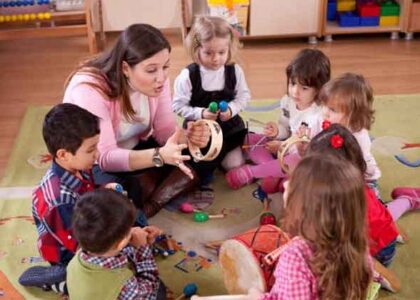
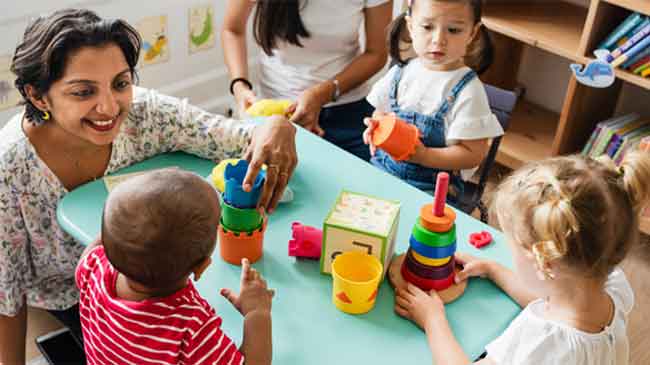
Classroom temperament reflects teacher behavior. A patient teacher models calmness and respect, which children absorb and emulate. This creates an environment where curiosity thrives and social interactions are guided by empathy rather than urgency. Lessons unfold smoothly in this atmosphere, fostering cooperative learning and mutual respect.
Practical strategies to cultivate patience
Teachers can practice mindfulness, reflection, and structured observation to enhance patience. Setting aside time for observation, using brief interventions, and employing consistent classroom routines reinforce patience. Journaling and peer discussions help teachers reflect on moments of impatience and plan strategies for improvement.
Linking patience to learning outcomes
Patience directly influences the effectiveness of Montessori lessons. Children retain concepts better when instruction aligns with their pace. They develop executive function skills, persistence, and problem-solving abilities. Teachers who remain patient ensure that lessons are not just delivered but truly absorbed and internalized.
Conclusion: patience as professional skill
Patience is more than a personal trait; it is a professional skill that enhances every aspect of Montessori teaching. From lesson preparation and observation to individualized pacing and classroom management, patience enables teachers to create an environment where children thrive. By prioritizing patience, educators honor the Montessori philosophy and empower children to reach their full potential.