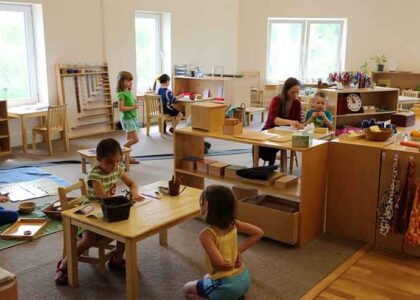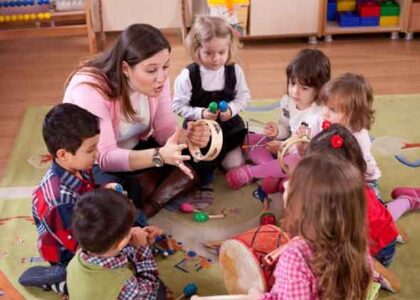
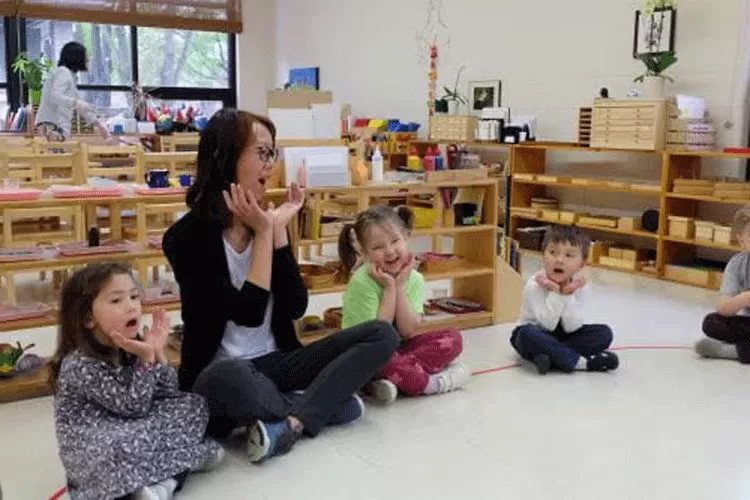
On the surface, a Montessori classroom might appear to be a highly structured environment with a standardized set of materials. However, a closer look reveals that it is precisely the opposite of a “one-size-fits-all” model. Instead, Montessori education is a deeply individualized approach, designed to meet the unique needs and interests of each child. The materials and the prepared environment are the constants, but the child’s journey through them is entirely their own. This customization is a cornerstone of the philosophy and is what truly sets it apart from more rigid, traditional educational systems.
The individualization in a Montessori classroom begins with the concept of “following the child.” The teacher, or guide, is not there to deliver a uniform lecture to a group of children, but to observe each child’s individual interests, strengths, and areas for growth. This observation is a scientific process, where the teacher notes what materials a child is drawn to, how long they concentrate on a task, and when they are ready for a new challenge. Based on these observations, the teacher gives individual presentations to the child, introducing a new material when they are ready and interested. This ensures that the child is never pushed to learn something they are not developmentally ready for, nor are they held back by the pace of the group. This respect for the child’s unique timeline and innate curiosity is what makes the learning process so natural and effective.
Furthermore, the mixed-age classroom is a powerful tool for individualization. A child is not competing with peers their own age but is part of a community with a wide range of abilities and interests. This allows a child who is advanced in math to work on more complex concepts with older children, while still developing their language skills at their own pace. There is no stigma attached to being “behind” or “ahead” of one’s peers because everyone is on a different path. The freedom to choose one’s own work also contributes to this individualization. A child may choose to spend an entire morning working with the Golden Beads to master the decimal system, while another may spend that time meticulously polishing a shoe in the Practical Life area. Both children are engaged in purposeful work that meets their individual needs at that moment. This freedom of choice is not chaos; it is a carefully managed freedom within the boundaries of the prepared environment, where every choice is a choice for productive, developmental work. The Montessori approach, therefore, is not about forcing every child into the same mold, but about providing a rich, supportive environment that allows each child to flourish and develop into the unique person they are meant to be. It is an education that respects the child as an individual, with their own strengths, passions, and internal timetable for learning.