Understanding the Montessori Philosophy Before You Start
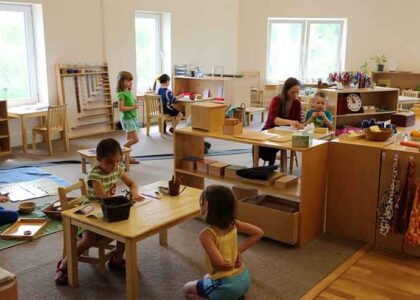
Embarking on a career as a Montessori teacher is a deeply rewarding journey, but it’s one that requires a unique blend of passion, patience, and a genuine belief in the child’s innate potential. Before you even consider enrolling in a Montessori teacher training program, it’s crucial to immerse yourself in the core principles of Maria Montessori’s philosophy. This isn’t just about learning a curriculum; it’s about shifting your entire perspective on education and childhood development. At its heart, Montessori education is a scientific pedagogy based on observing the child and following their lead. It’s about creating a “prepared environment” that caters to the child’s natural developmental needs and sensitive periods. The teacher’s role is not to lecture or control, but to act as a guide, or “directress,” connecting the child to the environment and the materials within it. A key aspect of this is fostering independence and a love for learning from within, rather than through external rewards or punishments. This philosophy is a significant departure from traditional models of education, and a true understanding of it is the first and most important step in deciding if this path is right for you. Do you believe in the child’s capacity for self-construction? Are you willing to step back and allow them to make their own discoveries? Your answer to these questions will be a strong indicator of your suitability for Montessori teacher training.
What Does a Montessori Teacher Training Program Entail?
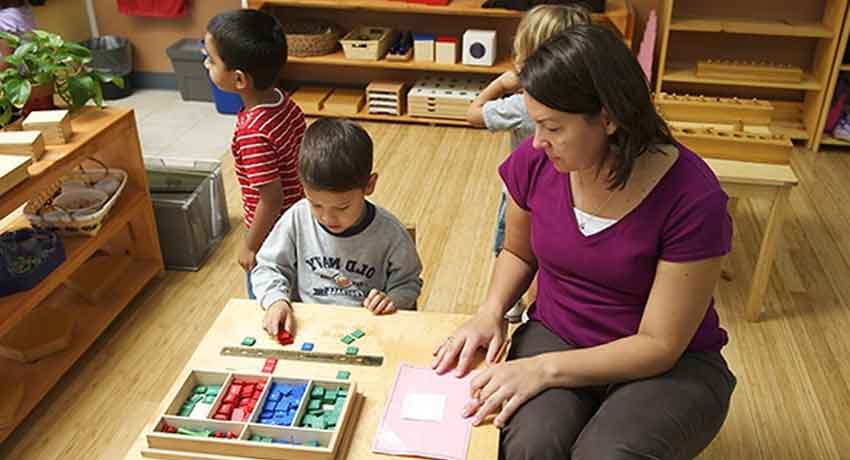
A comprehensive Montessori teacher training program is a rigorous and in-depth experience that goes far beyond a typical teaching credential. It’s designed to transform you from an educator into a facilitator of learning. The curriculum is typically split into several key areas: child development, Montessori philosophy, and the practical application of Montessori materials. A significant portion of the training is dedicated to mastering the use of the specific, hands-on Montessori materials for each subject area—from Practical Life exercises that teach daily living skills, to Sensorial materials that refine the senses, and advanced materials for mathematics, language, and culture. You will learn not only what each material is for, but the precise sequence of presentation, the key language to use, and how to observe the child’s interaction with it. This is a hands-on process, with countless hours spent in practice labs. Furthermore, the training delves deep into child psychology and observation techniques. You’ll learn to meticulously document a child’s progress and identify their “planes of development” to provide them with the right challenges at the right time. A successful program will also include a practicum or internship component, where you get to apply your knowledge in a real Montessori classroom under the mentorship of an experienced teacher. This practical experience is invaluable and provides the final, essential piece of the training puzzle, ensuring you are prepared to step into a classroom with confidence and competence.
The Different Paths and Certifications in Montessori Training
The world of Montessori teacher training is diverse, with several reputable organizations offering different levels of certification. The most widely recognized and respected organizations are the Association Montessori Internationale (AMI) and the American Montessori Society (AMS). AMI, founded by Maria Montessori herself, is known for its strict adherence to the original philosophy and materials, often involving a more rigorous, in-person training structure. AMS offers a slightly more flexible approach, integrating some modern educational practices while remaining true to the core Montessori principles. Beyond these two, there are many other accredited and independent training centers. When choosing a program, it’s vital to research the accreditation of the institution. Is it recognized by AMI, AMS, or another credible body? The type of certification you receive will often dictate where you are able to teach, as many schools require a specific credential. Programs also vary in duration and format—some are full-time, year-long intensives, while others are part-time or even hybrid models. The level of training also matters, with courses for Assistants to Infancy (birth to 3), Primary (3-6), Lower Elementary (6-9), and Upper Elementary (9-12). Choosing the right path depends on your career goals, your desired age group, and your personal circumstances. It’s a good idea to speak with current Montessori teachers and directors of training centers to get a full picture of what each program offers and what is expected of you as a student.
What Kind of Person Thrives in a Montessori Classroom?
The ideal Montessori teacher is more than just a person with a certificate; they are a person with a specific set of qualities and a particular mindset. First and foremost, a Montessori directress must be an observer. The philosophy is built on the principle of “follow the child,” and this is only possible if you are a skilled and patient observer of children’s behavior, interests, and developmental milestones. You must be able to see the child as a unique individual, not just a member of a group. Patience is another non-negotiable trait. Learning happens at the child’s own pace, and it is the teacher’s job to provide encouragement and guidance without rushing the process. A successful Montessori teacher is also an organized and meticulous person. The prepared environment is a cornerstone of the philosophy, and it requires a teacher who can maintain order, cleanliness, and beauty in the classroom, ensuring all materials are in their proper place and in excellent condition. Humility is also key. The Montessori directress learns to step back, to not take credit for the child’s successes, and to understand that their role is to facilitate the child’s own self-construction. Finally, a genuine love for children and a deep-seated belief in their inherent goodness and potential is the fuel that drives it all. If these qualities resonate with you, the path of a Montessori teacher is one that can offer profound personal and professional fulfillment.
Career Opportunities and the Future of Montessori Education
Completing a Montessori teacher training program opens up a world of career opportunities, and the demand for qualified Montessori educators is on the rise globally. Montessori schools are found in nearly every country, from small, independent schools to large, private institutions and increasingly, in public school systems. A Montessori certification can also be a valuable asset for those working in related fields, such as educational administration, homeschooling, or even creating Montessori-inspired materials. The training provides you with a deep understanding of child development and a toolkit of unique, hands-on teaching methods that can be applied in many different contexts. As more and more parents seek alternatives to traditional education, the Montessori model continues to gain traction, creating a strong job market for trained professionals. Furthermore, the skills you acquire—observation, patience, organization, and a deep respect for individual learning—are transferable life skills that will benefit you in any endeavor. The future of Montessori education is bright, and with the right training, you can be at the forefront of a movement that is changing lives, one child at a time. The investment in your training is not just for a job; it is for a career dedicated to the profound work of helping children become the confident, independent, and curious individuals they are meant to be.