
Introduction: understanding emotional intelligence in teaching
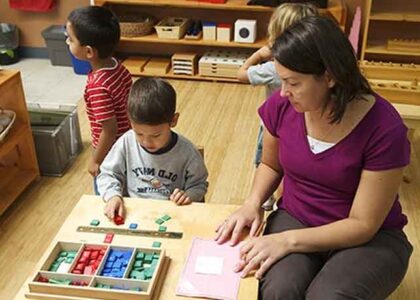
Montessori classrooms are unique ecosystems where children learn through exploration, repetition, and self-directed activity. Emotional intelligence equips teachers with the ability to read classroom dynamics, respond empathetically, and foster self-regulation among students. Teachers with high EI are better positioned to manage stress, build strong relationships, and model appropriate emotional responses.
Recognizing and labeling emotions
Teachers must identify both their own emotions and those of children. Recognizing subtle cues—facial expressions, body language, tone of voice—is crucial. Once recognized, labeling emotions in a neutral, descriptive manner helps children understand their own feelings. For instance, saying “I notice you look frustrated with the puzzle” helps children develop emotional vocabulary and self-awareness.
Managing classroom stress
Montessori teachers face the challenges of multi-age classrooms, diverse learning needs, and complex schedules. Emotional intelligence helps teachers manage stress without projecting it onto students. Techniques such as mindful breathing, time management, and reflection periods reduce burnout and maintain a calm, supportive environment. This consistency benefits children’s focus and engagement.
Building empathy and connection
Empathy allows teachers to understand children’s perspectives and respond sensitively. It fosters trust, reduces behavioral conflicts, and encourages social-emotional learning. Empathetic interactions—acknowledging feelings, offering choices, and validating experiences—strengthen the teacher-child relationship and create a positive learning climate.
Collaborating with peers and families
High EI supports effective collaboration with colleagues and communication with families. Sharing observations, discussing strategies, and resolving conflicts constructively rely on strong emotional skills. Teachers who model empathy, active listening, and respect promote a school culture aligned with Montessori principles.
Reflective practice to enhance EI
Continuous reflection enables teachers to improve their emotional intelligence over time. Reflective journals, mentorship, and professional development sessions provide opportunities to analyze interactions, understand emotional triggers, and plan improvements. This ongoing process strengthens the teacher’s capacity to respond calmly, empathetically, and effectively in the classroom.
Conclusion
Emotional intelligence is essential for Montessori teachers because it shapes how they observe, respond, and guide children. Through self-awareness, empathy, stress management, and reflective practice, teachers create emotionally rich classrooms that support both learning and personal growth.