In traditional education, the teacher is the central figure, the source of knowledge and the primary authority in the classroom. The Montessori teacher’s role, however, is fundamentally different and far more nuanced. Often referred to as a “guide” or “directress,” their purpose is not to lecture but to connect the child to the prepared environment. Their work is an art form, requiring deep knowledge of child development, a keen eye for observation, and a profound respect for the child’s independence. This unique role is what allows the Montessori method to truly flourish and to meet the individual needs of each child.
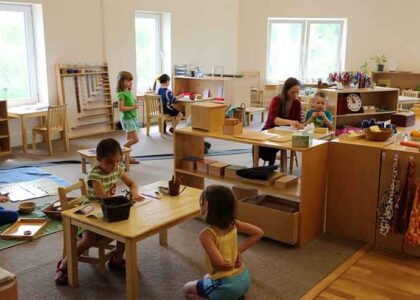
A Montessori teacher’s primary tool is not a lesson plan but their power of observation. They spend a significant amount of time quietly observing children at work, noting their interests, their progress, and any challenges they may be facing. This observation is not a passive act; it is a scientific process that informs every decision they make. By observing, the teacher can identify a child’s current “sensitive period” and present a new material at precisely the right moment—when the child is most receptive and eager to learn. This practice of “following the child” is at the heart of the Montessori philosophy and is what makes the learning process so effective and natural. The teacher’s role is to act as a bridge between the child’s inner world and the rich resources of the prepared environment.
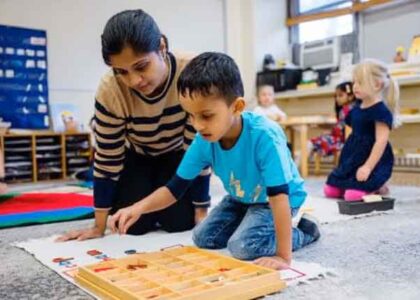
Beyond observation, the Montessori teacher is a master of the “presentation.” When they introduce a new material to a child, their presentation is precise, purposeful, and often silent. They demonstrate the correct way to use the material with grace and intention, showing rather than telling. They do not intervene or correct the child unless absolutely necessary, trusting the child’s innate ability to learn and the self-correcting nature of the materials. This respect for the child’s independence builds self-confidence and a sense of mastery. The teacher’s quiet presence and respectful guidance creates a peaceful and focused atmosphere where children can concentrate deeply and learn to rely on their own internal discipline. The ultimate goal of the Montessori teacher is not to teach but to facilitate the child’s own self-education, to help them “help themselves” and to nurture the spirit of independence and discovery that is the hallmark of the Montessori child.